
Beans for Gut Health: Why Your Gut Thrives When You Eat More Beans
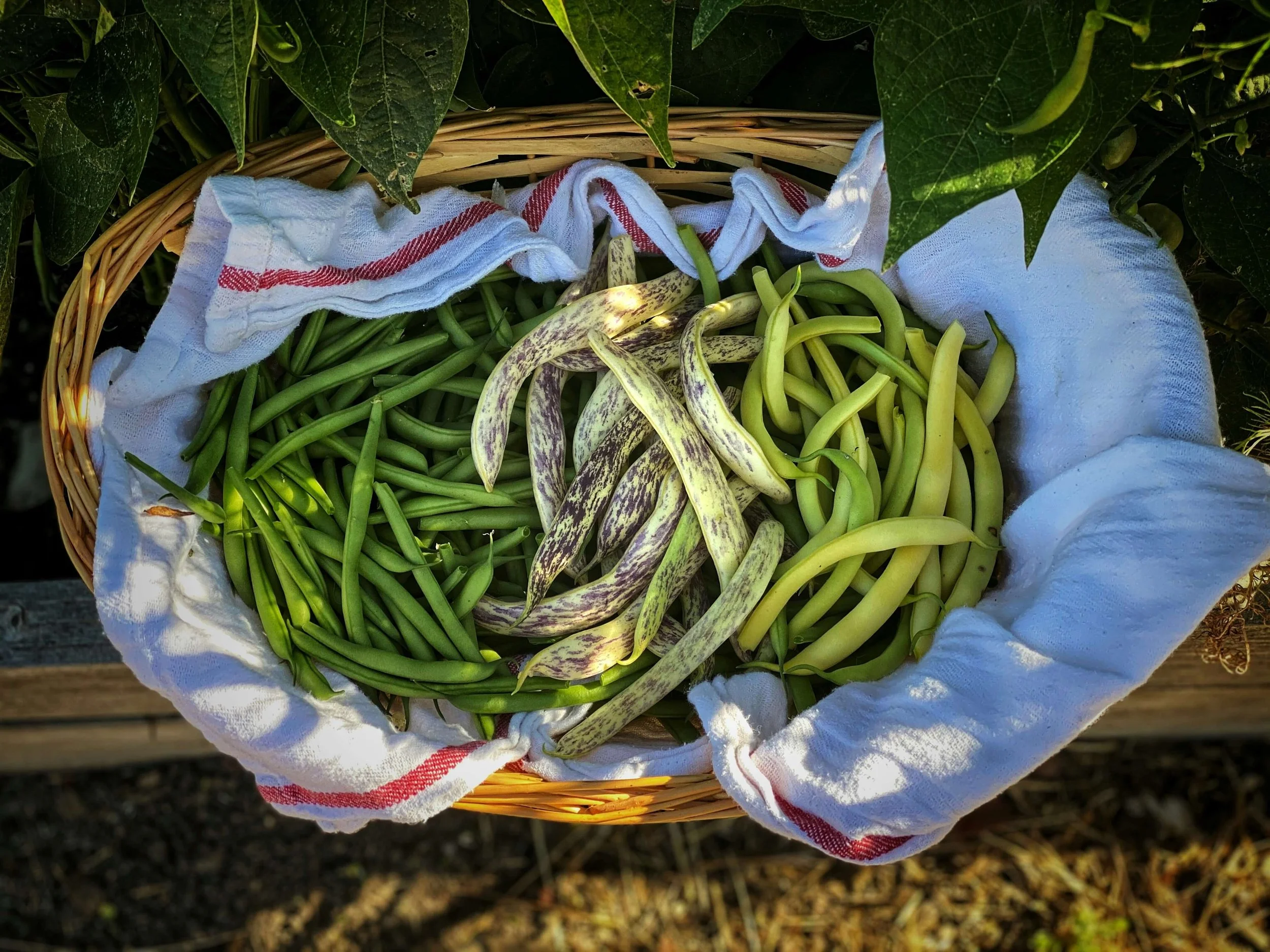
Eating beans might be one of the most powerful choices we can make for the health of our guts and the health of our bodies.
At first glance, gut health and beans might not seem closely connected—but they’re more linked than you might think, I had already been an avid bean supporter for years when I learned about the role beans play in building a healthy gut, but as I dove deeper into the research, it finally clicked why I feel so much better when I’m consistently eating beans.
But first, let’s start with the bigger question.
Why should we care about gut health?
Put simply, a healthy body starts with a healthy gut.
Your gut impacts nearly every system in your body. When your gut is in balance, your body has the foundation for strong immunity, stable energy, elevated mood, clear skin, balanced hormones, and optimal nutrient absorption. This is because:
Your gut produces 90% of your body’s serotonin (the neurotransmitter responsible for happiness and emotional regulation). Your gut and brain are constantly communicating; the more you support the health of your gut, the more you are supporting your mood and mental clarity.
Over 70% of your immune system lives in your gut. When the gut barrier is compromised (what is known as “leaky gut”), toxins and pathogens can escape into the bloodstream, which triggers inflammation and immune stress.
Your gut determines how well you break down food and absorb nutrients. Balance in the gut bacteria is essential to break down food and deliver nutrients where they’re needed.
When your gut is out of balance, the body often shows signs through fatigue, bloating, afternoon crashes, inflammation, skin flare-ups, and hormonal imbalance.
So…where do beans come in?
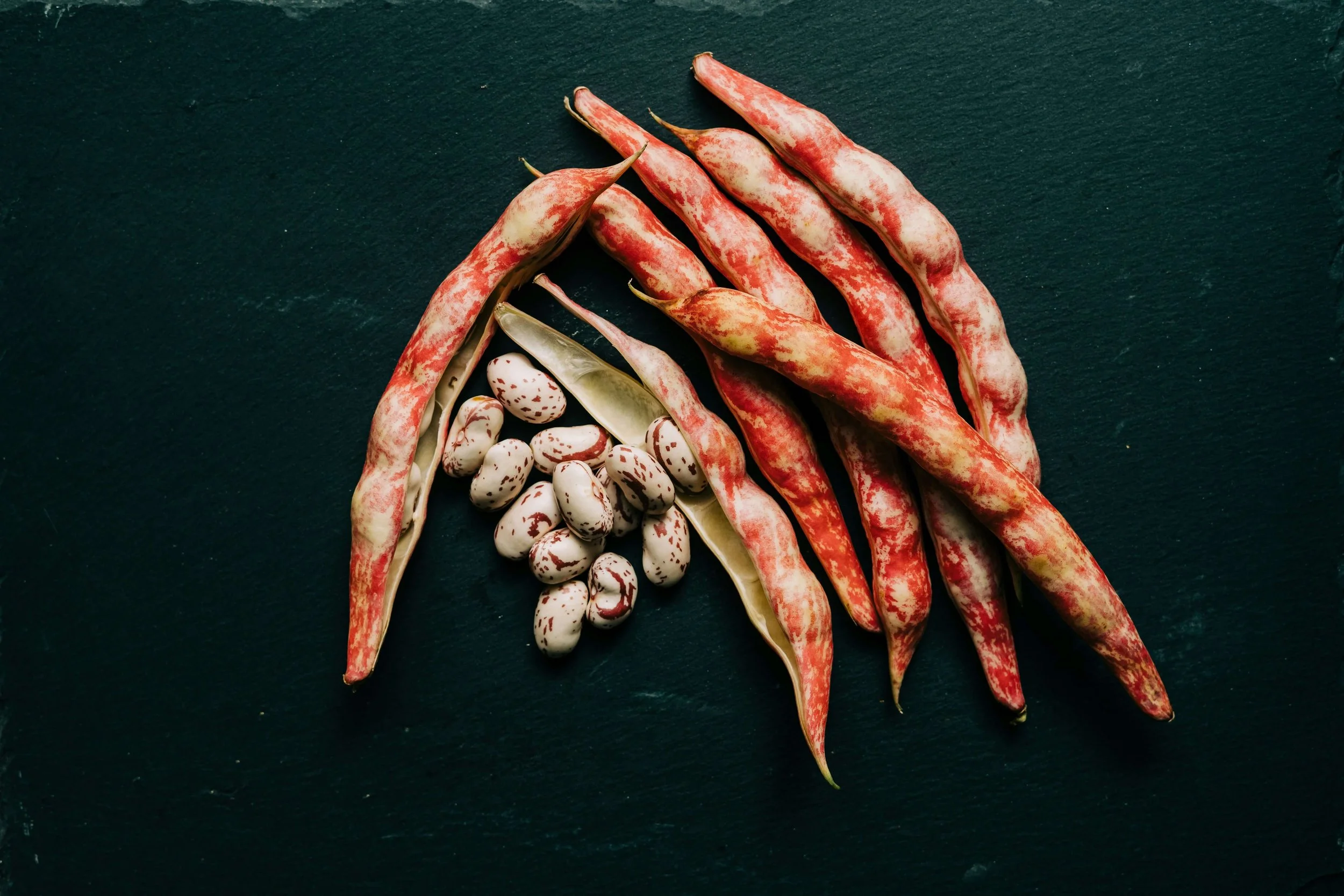
The Bean–Gut Connection
Beans are one of the most powerful prebiotic foods on the planet.
Prebiotic foods feed beneficial gut bacteria. The fiber and nutrients in beans support the microbes involved in digestion, immune function, serotonin production, blood sugar balance, and hormone regulation. Beans are especially rich in resistant starch, which reaches the large intestine intact and is fermented by gut bacteria into short-chain fatty acids that strengthen the gut lining and help reduce inflammation.
What the (Bean)search Shows
A study by the MD Anderson Cancer Center found that adults with a history of colorectal cancer who ate one cup of navy beans a day experienced:
increased microbial diversity
reductions in harmful gut bacteria
better regulation of inflammation and immune responses
All of these are critical measurements for cancer prevention and overall health. But what’s even more interesting? Researchers also noted that when participants stopped eating beans, the positive gut microbiome changes faded.
Consistency matters with beans.
Building Beans as a Habit
Eating beans regularly:
provides the body with prebiotic fiber
improves gut bacterial diversity
boosts short-chain fatty acids production that protects the gut lining
supports immune health.
helps stabilize energy, digestion, mood, and hormones.
This becomes especially important as we age, as microbiome diversity naturally declines over time. But here’s the empowering part: microbial diversity is something we can actively support every single day.
The more we choose to eat beans, the more we feed the bacteria that keep us healthy, strong, and vibrant.
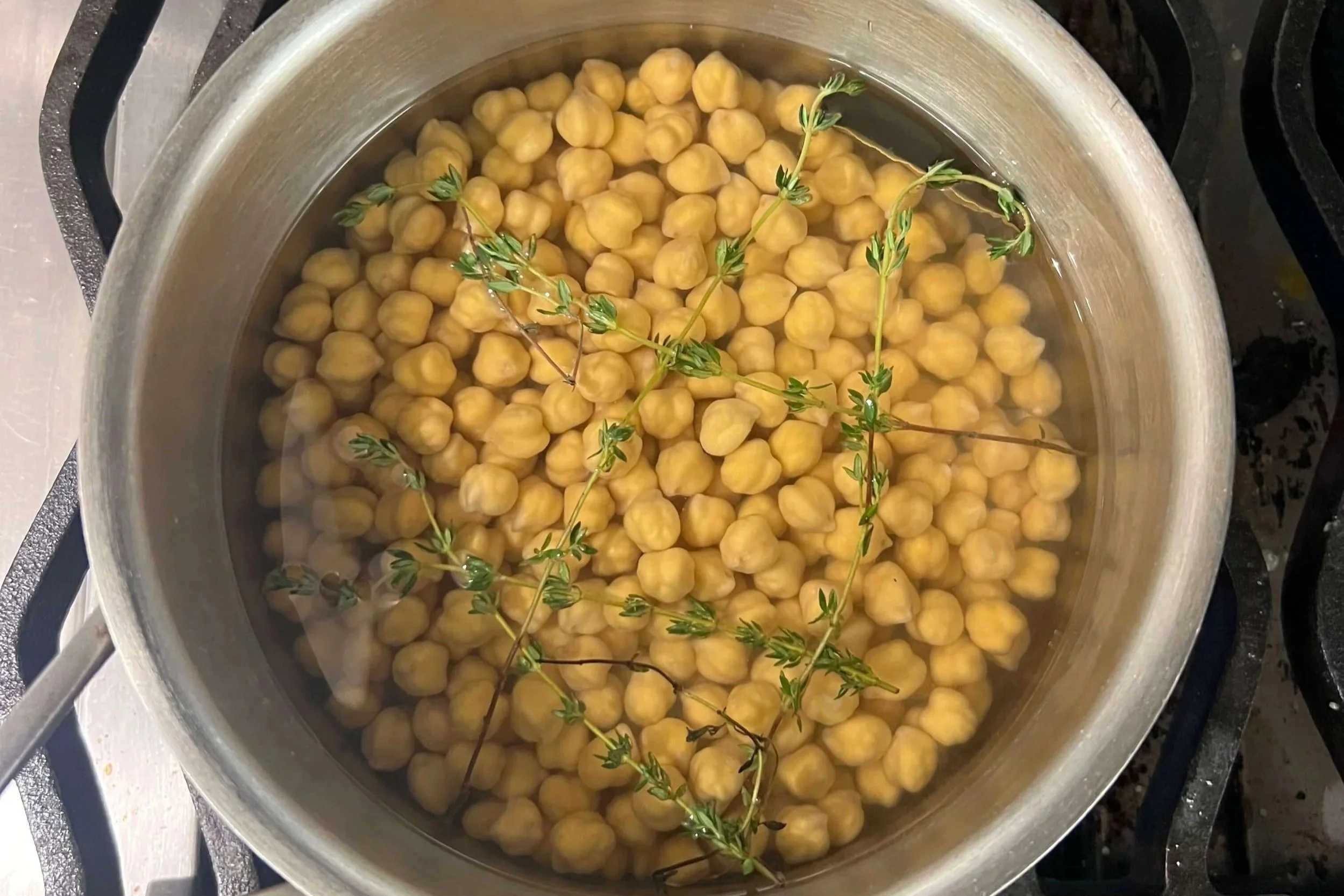
Eating beans truly is one of the simplest (and most delicious) ways to build a resilient body from the inside out. And with that, I’m off to cook my pot of beans!
Citations:
https://www.mdanderson.org/newsroom/eating-beans-improves-gut-health-regulates-immune-inflammatory-processes-colorectal-cancer-survivors.h00-159623379.html
https://pmc.ncbi.nlm.nih.gov/articles/PMC9100130/